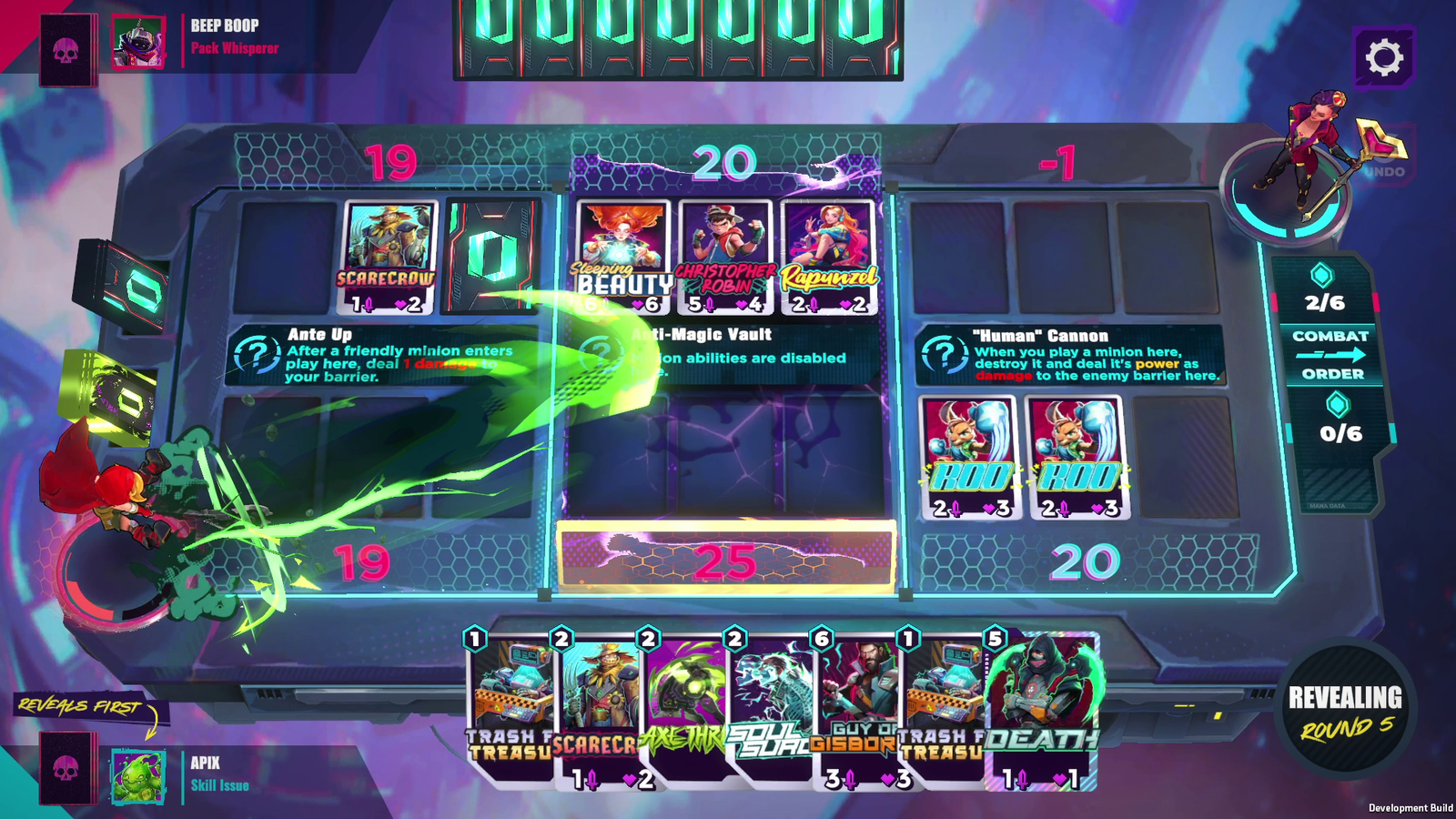
Grading at a glance
A grade describes a collectible copy, not its strength in a match. It adds another dimension to digital collecting: two copies of the same card can have different grades without becoming cards with different gameplay rules.
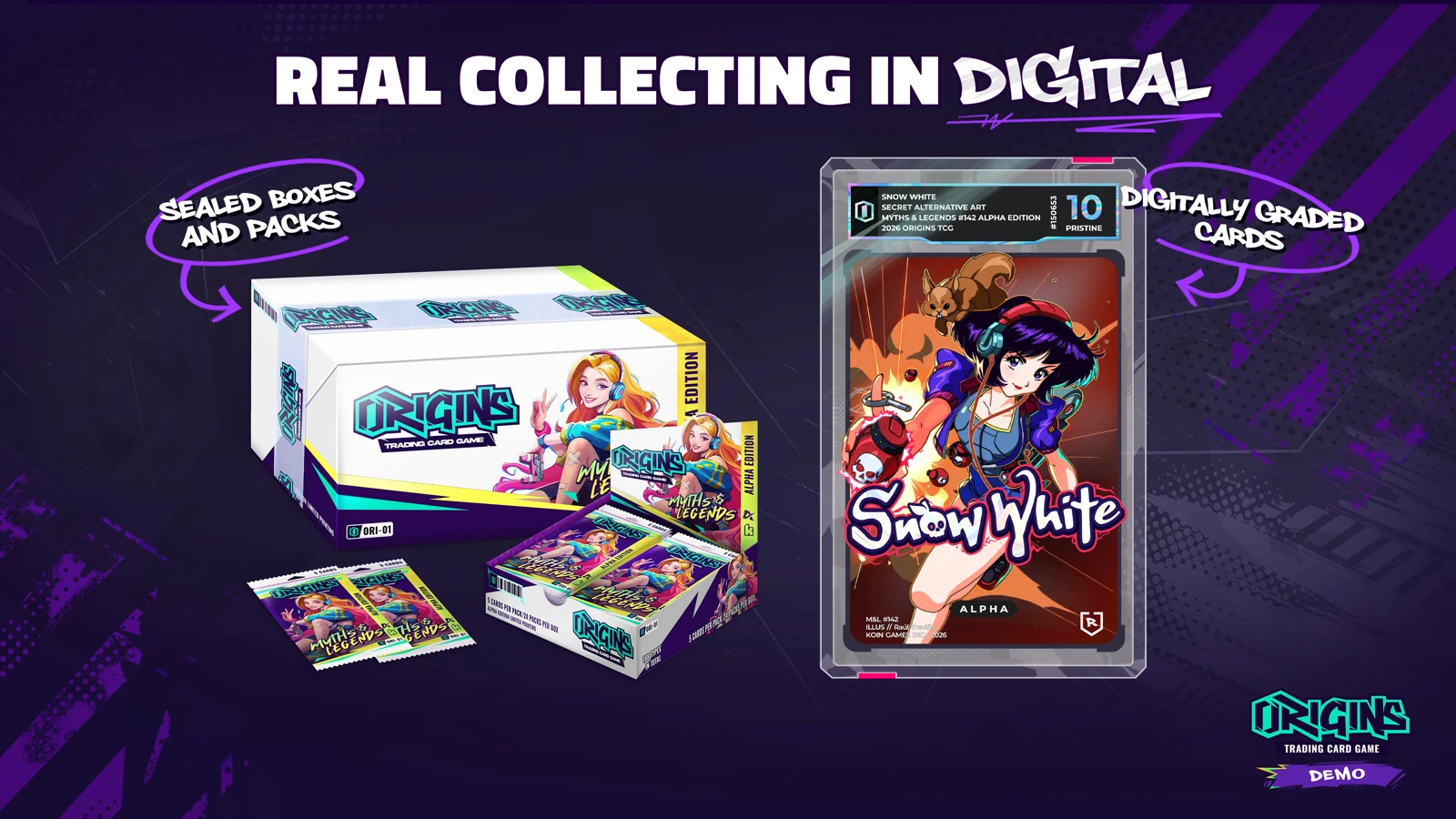
Sources checked on 31 October 2026. The latest official grading development found is update 0.8, published on 27 October. The header artwork comes from Koin Games’ media kit; it illustrates the concept rather than showing the current interface.
What changed in update 0.8?
Koin Games confirms a 1–10 grade range for collectible cards. Update 0.8 makes those grades visible through imperfections and visual effects. The team describes this as an initial implementation that can change. Read update 0.8
How is a grade assigned?
In a developer reply on 6 October, Fenchurch explained the choice to grade the relevant cards immediately. You do not send a digital card to a physical authentication company: grading is part of the game’s own collection system. The July official AMA recap describes a gamified approach inspired by skin condition values, rather than a PSA appraisal.
A description of the idea is not a published formula. The sources used here do not let us calculate your precise chance of receiving a 10. We therefore do not present grade percentages, float thresholds or regrading methods as established rules.
Whole-number grades from 1 to 10
Collectible cards receive a whole-number grade from 1 to 10. The grade describes that digital copy: it does not change the cost, attack or health of the corresponding gameplay card.
Visible effects can vary between copies. A scratch, colour variation or glitch alone does not let you calculate the grade; this guide does not present a complete formula connecting every effect to a score.
Grade, rarity and edition mean different things
| Information | What it tells you |
|---|---|
| Grade | The rating assigned to this individual collectible copy. |
| Rarity and artwork | The category or variant shown, which you should check in the card’s details. |
| Edition | The release the copy belongs to, such as Alpha. |
When comparing listings, identify the card and variant first. Then compare edition and grade. A single number does not describe the entire collectible.
Visual variations that distinguish individual copies
Grading is more than the number displayed on a slab. Several visual parameters can distinguish copies: scratches, colour variations, glitches and greyed areas. These effects can appear in different places on a card.
Their combination and placement give each copy a more individual appearance. Two copies of the same artwork, even with an identical grade, can look different: the number alone does not describe everything. Inspect the visual details when comparing cards.
These variations can make a copy highly distinctive, but do not guarantee that every card is strictly unique. Their precise weighting in the grade calculation still needs confirmation.
Why grade a digital card?
The grade does not represent wear caused by your hands or screen. It is a digital characteristic of the individual copy, designed to bring some of the appeal of collecting distinct versions of an object into a digital game.
On 30 September, developer Sylvermyst discussed exploring stronger visual enhancements as grades rise. Update 0.8 is the newer milestone: it confirms visible effects without supplying a final effect chart for every grade. An earlier design discussion should not be treated as an exact description of every effect in the current build.
Do you need grading to compete?
The studio separates collecting from competition. Its official explanations say spending is for collectibles and cosmetics, not competitive power. Choosing a collectible version is optional; it does not replace learning card interactions and decisions.
What should you check before trading?
- The card, variant, edition and complete grade.
- The actual copy’s preview, rather than generic promotional artwork.
- Whether Steam marks the item as tradable or marketable.
- The displayed total price and listing conditions.
A high grade alone does not establish a price: compare equivalent copies and available transactions. Update 0.8 announces Steam Market trading for collectible cards while noting that other collectible cosmetics are not yet tradable at that date.
What still needs confirmation?
The verified official sources do not provide a full grade distribution, an exhaustive visual-effects table or a general procedure for changing an existing copy’s grade. This guide should be reviewed when Koin Games publishes those details.
Continue with our guide to booster contents